
The Impact of AI and Automation on Recruitment Efficiency
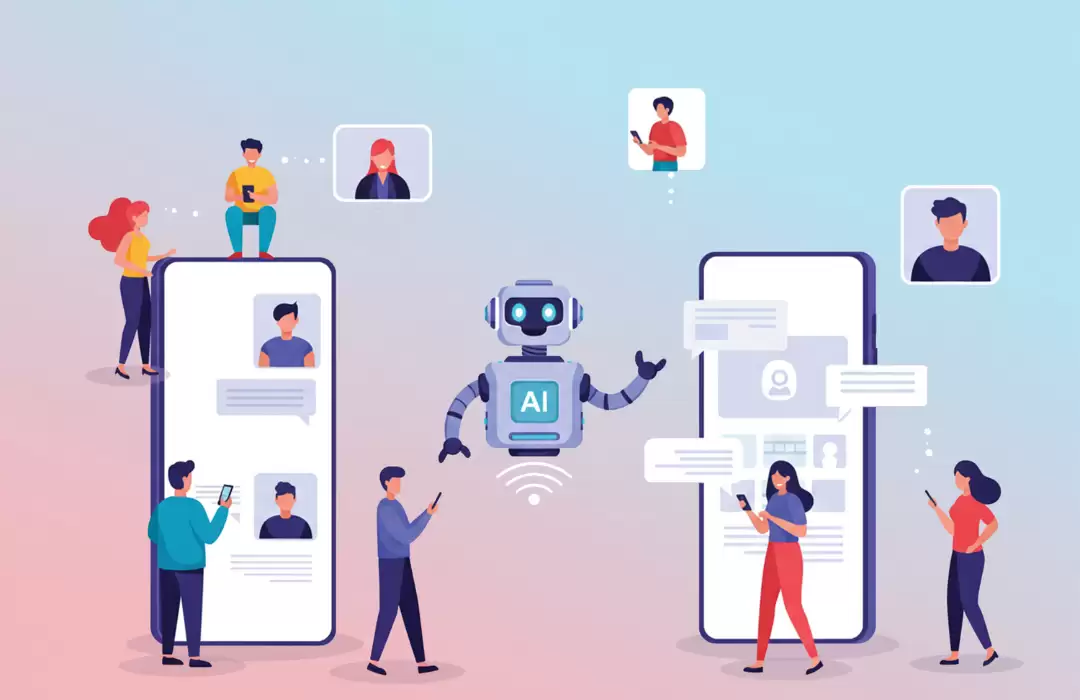
The recruitment process has traditionally been time-consuming and resource-intensive. Recruiters often sift through hundreds of resumes, conduct multiple rounds of interviews, and use intuition to make hiring decisions. However, the advent of artificial intelligence (AI) and automation is revolutionizing the recruitment landscape, making the process faster, more efficient, and more objective.
AI and automation have the potential to significantly reduce the manual workload, enhance decision-making, and help companies find the right talent more effectively. From sourcing candidates to assessing resumes and improving candidate experience, AI and automation are streamlining almost every aspect of recruitment. But what exactly are the impacts of these technologies on recruitment efficiency, and how can companies leverage them to enhance their hiring processes?
In this article, we will explore the impact of AI and automation on recruitment efficiency, how these technologies are changing talent acquisition, and best practices for integrating them into your recruitment strategy.
The Rise of AI and Automation in Recruitment
AI and automation are transforming the way recruitment teams operate. With AI, recruitment platforms can now analyze vast amounts of data, predict candidate success, and even automate tasks that previously required human intervention. Automation tools can streamline repetitive tasks such as resume screening, scheduling interviews, and sending follow-up emails, freeing up recruiters to focus on higher-value activities.
These technologies are being integrated into applicant tracking systems (ATS), recruitment marketing platforms, and other recruitment tools to help employers find and evaluate candidates faster and more efficiently. AI-powered platforms are able to assess not only the qualifications of candidates but also their fit within the company culture, using data-driven insights to match candidates with the right roles.
The Impact of AI and Automation on Recruitment Efficiency
1. Speeding Up the Sourcing Process
One of the most significant ways AI and automation impact recruitment is by speeding up the sourcing process. Traditionally, recruiters spend a large portion of their time manually sourcing candidates from job boards, social media, and databases. AI-powered tools, however, can automate this process by scanning job boards, company databases, and social media profiles to identify potential candidates.
How AI and Automation Improve Sourcing:
-
Automated Candidate Sourcing: AI-driven tools can automatically search through multiple databases, job boards, and social media platforms to find candidates that match the job requirements.
-
Passive Candidate Engagement: AI tools can also help identify passive candidates—those not actively job hunting but who may be interested in new opportunities—by analyzing their online activity and profiles.
-
Speed: AI systems can quickly process vast amounts of data, dramatically reducing the time recruiters spend manually searching for candidates.
By automating sourcing, recruiters can access a broader talent pool faster and more efficiently, reducing time-to-hire and ensuring that the best candidates are identified and approached in a timely manner.
2. Enhancing Candidate Screening and Shortlisting
Traditional resume screening is a time-consuming process. Recruiters often have to read through hundreds of resumes, evaluating qualifications, skills, and experience. AI-driven applicant tracking systems (ATS) can automate the resume screening process by using machine learning algorithms to analyze resumes and rank candidates based on how well they match the job description.
How AI Improves Candidate Screening:
-
AI-Powered Resume Screening: AI tools can analyze resumes for specific keywords, qualifications, and skills, allowing recruiters to quickly identify the most qualified candidates.
-
Eliminating Bias: By using data-driven insights, AI tools can help reduce unconscious bias in the hiring process, ensuring that candidates are evaluated based on their skills and qualifications rather than personal factors.
-
Automated Shortlisting: AI tools can automatically rank and shortlist candidates based on their qualifications, experience, and fit for the role, speeding up the initial stages of recruitment.
This process helps recruiters focus their time on the most qualified candidates, leading to faster decision-making and reducing the time spent on irrelevant applications.
3. Improving Candidate Experience
AI and automation also play a crucial role in enhancing the candidate experience. The recruitment process can often feel impersonal and frustrating for candidates, especially when they don’t receive timely updates or feedback. Automation tools can ensure that candidates are kept informed throughout the process, providing timely responses and updates.
How AI and Automation Improve Candidate Experience:
-
Automated Communication: AI-powered chatbots can answer candidate questions, schedule interviews, and provide updates, creating a more engaging and efficient experience.
-
Personalization: AI systems can personalize communication with candidates, making them feel valued and engaged throughout the recruitment process.
-
Real-Time Feedback: Automation tools can send candidates real-time feedback on their application status, reducing the uncertainty and waiting time often associated with recruitment.
By improving the candidate experience, AI and automation help organizations build a positive employer brand, which is essential for attracting top talent in a competitive job market.
4. Reducing Human Bias and Improving Objectivity
Human bias in the hiring process can lead to decisions that favor certain candidates over others based on subjective factors such as gender, age, race, or personal preferences. AI and automation can help reduce this bias by making data-driven decisions that focus on a candidate’s qualifications, skills, and experiences.
How AI and Automation Help with Bias Reduction:
-
Objective Evaluation: AI tools assess candidates based on data, ensuring that decisions are made based on relevant factors such as qualifications, experience, and skillset.
-
Bias Detection: Some AI systems are designed to detect and correct biased language or behavior in job descriptions and candidate evaluations, promoting fairness in the recruitment process.
-
Standardization: By automating certain tasks like resume screening and interview scheduling, AI ensures that all candidates are evaluated on the same criteria, eliminating inconsistencies in the hiring process.
This helps create a more inclusive and equitable recruitment process, which can improve the diversity and quality of the workforce.
5. Automating Candidate Engagement and Follow-Up
Engaging with candidates after an interview or initial contact is crucial for maintaining their interest and keeping them in the hiring pipeline. AI-powered tools can automate follow-up emails, interview scheduling, and reminders, reducing the administrative workload for recruiters and ensuring timely and personalized communication.
How Automation Improves Candidate Engagement:
-
Automated Email Responses: Automated emails can be sent to candidates to acknowledge receipt of applications, schedule interviews, or notify them of next steps in the process.
-
Interview Scheduling: AI tools can automatically schedule interviews based on candidate availability and recruiter calendars, eliminating the need for back-and-forth communication.
-
Feedback and Updates: Automation allows recruiters to send quick updates to candidates about their application status, keeping them engaged and informed throughout the process.
This seamless communication helps build stronger relationships with candidates and ensures that the recruitment process runs smoothly for both recruiters and candidates.
6. Predictive Analytics for Better Hiring Decisions
One of the most exciting applications of AI in recruitment is predictive analytics. Predictive analytics uses historical data to forecast future outcomes, such as the likelihood of a candidate’s success in a role or their potential for long-term retention within the company. By using data-driven insights, companies can make smarter hiring decisions and reduce the risk of bad hires.
How Predictive Analytics Improves Recruitment:
-
Candidate Fit Analysis: AI tools can analyze past performance data, career trajectories, and job tenure to predict how well a candidate will perform in a given role.
-
Turnover Prediction: Predictive analytics can assess the likelihood of candidate turnover based on factors like career history, location, and engagement levels, allowing recruiters to focus on candidates who are likely to stay with the company long-term.
-
Optimizing Hiring Strategy: By analyzing recruitment data and performance metrics, predictive analytics can help refine hiring strategies to ensure that companies attract the best-fit candidates.
By leveraging predictive analytics, organizations can make more informed, data-driven decisions, leading to better hiring outcomes and reduced turnover.
Best Practices for Implementing AI and Automation in Recruitment
1. Integrate AI Tools into Your Existing Recruitment Process
Start by integrating AI and automation tools into your current recruitment process rather than replacing it entirely. This allows you to maintain the human touch in areas that require personal judgment while automating repetitive tasks like resume screening and interview scheduling.
2. Monitor and Fine-Tune AI Models
AI tools should be continuously monitored and fine-tuned to ensure that they are making accurate, unbiased decisions. Regular audits of AI models can help identify and correct any issues, such as biases or inaccuracies in the algorithms.
3. Maintain a Balance Between AI and Human Interaction
While AI and automation can streamline many aspects of recruitment, human interaction remains essential for building relationships with candidates. Ensure that recruiters continue to engage with candidates at key stages of the recruitment process, such as during interviews and decision-making.
The impact of AI and automation on recruitment efficiency is transformative. By automating routine tasks, reducing bias, enhancing candidate engagement, and providing data-driven insights, AI and automation enable companies to streamline the hiring process and make smarter, more informed hiring decisions.
As recruitment continues to evolve, embracing AI and automation will be key to staying competitive and attracting the best talent. By integrating these technologies effectively and maintaining a balance with human interaction, organizations can build a more efficient, equitable, and successful recruitment process.


